
Nightguards for Bruxism: Protecting Your Teeth from Grinding
Do you wake up with a tired jaw, sensitive teeth or a dull headache? Has your partner heard you grinding your teeth during the night? These may be signs of bruxism—a habit involving the involuntary grinding or clenching of the teeth.
Bruxism can occur while you are awake or asleep. Daytime clenching may become noticeable when you are concentrating, driving, working or experiencing stress. Sleep bruxism is often harder to recognize because it happens without conscious awareness. In many cases, a sleeping partner hears the grinding first, or a dentist discovers unusual tooth wear during a routine examination.
Occasional grinding may not cause significant damage. When the habit is frequent or forceful, however, it can gradually affect your tooth enamel, dental restorations, jaw muscles and everyday comfort.
A custom nightguard cannot necessarily stop the grinding habit, but it can create a protective barrier between your upper and lower teeth. If you are concerned about nighttime grinding, Alpha Dental Care can assess your teeth and bite and determine whether a custom nightguard in Calgary may be appropriate.
What Is Bruxism?
Bruxism is the medical term for repetitive teeth grinding, jaw clenching or jaw thrusting. It can affect adults and children and may occur during wakefulness, sleep or both.
The precise cause is not always clear. The Canadian Dental Association identifies several possible contributing factors, including stress or anxiety, interrupted sleep and certain dental conditions. The National Institute of Dental and Craniofacial Research also notes associations with genetics, alcohol, caffeine, smoking and certain medications.
This means bruxism should not be treated as a simple habit with one universal cause. A dental examination can identify signs of damage, but additional input from a physician, physiotherapist, sleep specialist or another healthcare professional may sometimes be appropriate.
Common Signs of Teeth Grinding and Clenching
You may not know that you grind your teeth until symptoms appear. Watch for the following possible warning signs:
Flattened, shortened or visibly worn teeth
Small chips or cracks
Increased sensitivity to hot and cold temperatures
Aching teeth without an obvious cause
Jaw tightness, fatigue or soreness after waking
Tenderness around the cheeks or temples
Morning headaches
Damage to fillings, crowns, veneers or other restorations
Grinding sounds noticed by a partner or family member
Lines or indentations along the tongue or inside the cheeks
These symptoms are not unique to bruxism. Tooth sensitivity, headaches and jaw pain can have several possible causes, so an examination is important before assuming grinding is responsible.
What Can Happen If Bruxism Continues?
Natural enamel is strong, but it is not indestructible. Repeated grinding can gradually wear down the biting surfaces and edges of the teeth. As enamel becomes thinner, the underlying tooth structure may become more exposed, contributing to sensitivity and changes in appearance.
Forceful clenching may also place stress on teeth that already contain large fillings or other restorations. Over time, this can contribute to chipped teeth, cracks or damage to dental crowns, fillings and veneers.
Bruxism can also fatigue the muscles responsible for moving your jaw. Some patients experience morning tightness, facial soreness or headaches. Grinding and clenching may be associated with certain jaw-muscle and TMD symptoms, although not every person with bruxism develops TMD and not every case of jaw pain is caused by grinding.
Identifying the signs early may allow your dentist to protect remaining tooth structure before more extensive restorative treatment becomes necessary.
How Does a Nightguard Help with Bruxism?
A nightguard—also called an occlusal guard, bite guard or bruxism appliance—is worn over the upper or lower teeth while you sleep.
Its primary purpose is to separate the dental arches so the teeth do not grind directly against one another. The appliance provides a protective surface and helps distribute some of the pressure generated by clenching and grinding.
For an appropriate patient, a nightguard may help:
Protect enamel from direct tooth-to-tooth wear
Reduce the risk of additional chipping or cracking
Protect fillings, crowns and other dental restorations
Reduce direct pressure on individual teeth
Support a broader plan for managing grinding-related symptoms
It is important to understand the limitation: a nightguard does not always eliminate bruxism or treat its underlying cause. You may still attempt to grind or clench while wearing it. The appliance is primarily intended to protect your teeth from the resulting forces.
Why Choose a Custom Nightguard?
Nightguards are available from pharmacies and online retailers, but over-the-counter products are made in standard sizes or shaped at home. They may feel bulky, fit loosely or place pressure on certain teeth.
A custom nightguard is created from a detailed impression or digital scan of your mouth. Its shape, thickness and design can be selected according to your teeth, bite and the amount of wear or damage present.
Potential advantages of a custom appliance include:
A closer and more secure fit
Better retention during sleep
A design based on your bite
Less bulk than many generic products
Professional fitting and adjustment
Follow-up assessment if your bite or dental work changes
Before making the appliance, your dentist can also check for cavities, gum concerns, cracked teeth, damaged restorations and other conditions that should be addressed.
What to Expect When Getting a Nightguard
The process generally begins with a dental examination. Your dentist will review your symptoms and look for signs such as worn enamel, chips, cracks, tooth sensitivity and damaged dental work. Your jaw muscles and bite may also be assessed.
If a nightguard is recommended, an impression or digital scan will be taken of your teeth. This information is used to fabricate an appliance that fits your mouth. Once the nightguard is ready, your dentist will check its fit and evaluate how your teeth contact it. Adjustments can be made when necessary.
It may take several nights to become accustomed to wearing a new appliance. It should fit securely, but it should not cause persistent pain. Contact the dental office if your nightguard feels loose, creates pressure on a particular tooth or changes how your bite feels after removal.
How to Care for Your Nightguard
Cleaning and storing your appliance properly can help keep it comfortable and hygienic. Follow the instructions provided by your dental team, which may include:
Rinsing the nightguard with cool or lukewarm water after use
Cleaning it gently with a soft toothbrush and the recommended product
Avoiding hot or boiling water that could distort the material
Allowing the appliance to dry before storing it
Keeping it in a clean, ventilated case
Protecting it from pets, which are often attracted to dental appliances
Bringing it to dental appointments for inspection
Do not attempt to reshape, trim or repair a nightguard yourself. If the appliance becomes uncomfortable or damaged, have it examined professionally.
When Should a Nightguard Be Replaced?
There is no single replacement schedule that applies to everyone. The useful life of a nightguard depends on its material, the severity of the grinding, how consistently it is worn and how it is cleaned and stored.
Heavy grinders may wear through an appliance faster than patients with mild bruxism. A replacement or adjustment may be needed if you notice:
Cracks, holes or significant thinning
Rough or sharp edges
A loose or unstable fit
Persistent odour or discolouration that cleaning does not resolve
New discomfort while wearing it
Changes following dental treatment
Bring your appliance to your regular dental examinations and cleanings so your dentist can check its condition and make sure it still fits properly.
Can You Reduce Teeth Clenching During the Day?
A nightguard protects your teeth while you sleep, but becoming more aware of daytime clenching can also be valuable.
When your jaw is at rest, your teeth generally should not be held tightly together. Try to notice whether you clench while working, concentrating, driving or dealing with stress. Gently relaxing your jaw and allowing a small space between the upper and lower teeth may help interrupt the habit.
Other helpful measures may include maintaining a consistent sleep routine, managing stress and moderating caffeine, alcohol and tobacco—particularly later in the day. Do not begin jaw exercises or make significant changes to medication without appropriate professional guidance.
Is a Bruxism Nightguard the Same as a Sleep Apnea Appliance?
No. Although both are worn in the mouth during sleep, they serve different purposes.
A bruxism nightguard is primarily designed to protect the teeth from grinding and clenching. An oral appliance for obstructive sleep apnea is designed to reposition the jaw and help maintain an open airway.
If you snore heavily, gasp or choke during sleep, experience breathing pauses or struggle with excessive daytime tiredness, a standard nightguard is not a substitute for a sleep assessment. Speak with an appropriate healthcare provider or learn about Alpha Dental Care’s sleep apnea treatment options.
Frequently Asked Questions About Nightguards and Bruxism
Will a nightguard stop me from grinding my teeth?
Not necessarily. Its main purpose is to prevent the upper and lower teeth from grinding directly against each other. Additional strategies may be recommended if stress, sleep disruption or another factor appears to be contributing.
Can a nightguard help with jaw pain?
It may help certain patients when grinding or clenching contributes to muscle tension or discomfort. Because jaw pain has many possible causes, your dentist should assess the symptoms before recommending an appliance.
Can I wear a nightguard if I have crowns or fillings?
In many cases, yes. A custom appliance can be designed around existing dental restorations and may help protect them from excessive forces. The restorations should be examined first to confirm that they are healthy and stable.
Should my nightguard cover my upper or lower teeth?
Nightguards can be made for either arch. Your dentist will select the design based on your bite, dental condition and treatment goals.
Can children grind their teeth?
Yes, bruxism can occur in children as well as adults. Parents should discuss persistent grinding, tooth wear, pain or sleep concerns with the child’s dentist rather than purchasing an appliance without an examination. A growing mouth requires special consideration.
Concerned About Bruxism? Protect Your Smile with a Custom Nightguard
Because sleep bruxism happens unconsciously, the damage can progress before you realize there is a problem. Worn teeth, unexplained sensitivity, morning jaw fatigue and damaged dental restorations are all reasons to arrange an assessment.
Alpha Dental Care provides custom nightguards in Calgary for appropriate patients who grind or clench their teeth. Our team can examine your teeth and bite, look for signs of bruxism and explain whether a custom appliance should be part of your care.
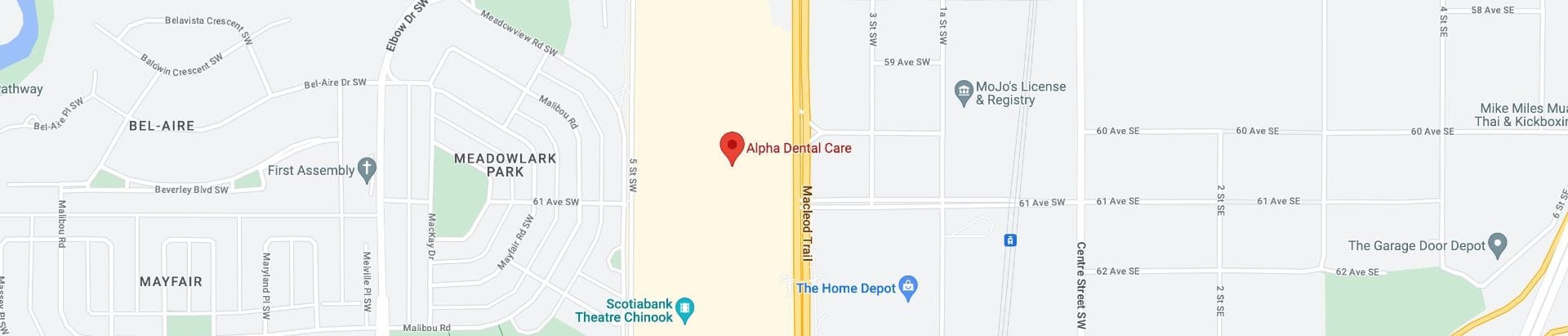
Located in the Chinook Centre Professional Tower on Macleod Trail SW, Alpha Dental Care welcomes new and existing patients. Book an appointment or call 403-252-7608 to have your teeth assessed and learn how you can protect your smile while you sleep.