Protect Your Teeth from Grinding and Clenching While You Sleep
Custom Nightguards in Calgary
Do you regularly wake up with a sore jaw, sensitive teeth or a dull headache? Have you noticed that your teeth look flatter, shorter or more worn than they once did? These may be signs that you grind or clench your teeth while sleeping.
Because nighttime grinding often happens unconsciously, you may not realize that it is occurring. In some cases, a sleeping partner hears the grinding before the person experiencing it becomes aware of the problem. For others, the first warning signs are discovered during a routine dental examination.
A custom nightguard is a removable dental appliance worn while you sleep. It creates a protective barrier between your upper and lower teeth, helping reduce the damage associated with grinding and clenching.
At Alpha Dental Care, we provide custom nightguards in Calgary based on each patient’s teeth, bite and individual dental needs. If you are experiencing symptoms of nighttime grinding or showing signs of excessive tooth wear, our dental team can examine your smile and determine whether a nightguard may be appropriate.
What Is a Dental Nightguard?
A dental nightguard—sometimes called an occlusal guard, bite guard or bruxism appliance—is designed to fit over the upper or lower teeth while you sleep.
Although designs and materials vary, the primary purpose of a nightguard is to keep the teeth from grinding directly against one another. The appliance provides a protective surface that absorbs and redistributes some of the pressure created by clenching and grinding.
A nightguard does not necessarily stop the muscles from attempting to grind or clench. Instead, it helps protect the teeth and dental restorations from the resulting forces.
- Nighttime teeth grinding, also known as sleep bruxism
- Frequent clenching of the jaw
- Unexplained tooth wear
- Chipped or cracked teeth
- Morning jaw fatigue or tightness
- Tooth sensitivity associated with worn enamel
- Dental restorations that need protection from excessive biting forces
- Certain symptoms associated with jaw-muscle tension
The right appliance depends on your symptoms, oral health, bite and the amount of wear already present. A dental assessment is important before choosing or using a nightguard.
Understanding Bruxism
Bruxism is the involuntary grinding, clenching or gnashing of the teeth. It may occur while a person is awake or asleep.
Awake bruxism often involves subconsciously holding the teeth together or tightening the jaw, particularly during periods of stress, concentration or frustration. Sleep bruxism occurs during sleep and can be more difficult to identify because the person is unaware that it is happening.
According to the American Dental Association’s patient information about teeth grinding, a dentist may recommend a nightguard to help protect the teeth from the damage caused by grinding.
Bruxism can have several contributing factors. These may include stress, sleep habits, certain medications, lifestyle factors and other health or dental conditions. The cause is not always obvious, and a nightguard is not a treatment for every possible underlying factor. Your dentist may recommend that additional concerns be discussed with an appropriate healthcare provider.














How Can a Custom Nightguard Help?
A properly fitted nightguard can provide several potential benefits for an appropriate patient.
Protecting Tooth Enamel
The appliance places a protective surface between the upper and lower teeth. Instead of grinding directly against one another, the teeth contact the nightguard.
This may help limit additional enamel wear and preserve the remaining natural tooth structure.
Reducing the Risk of Dental Damage
By absorbing and redistributing some of the forces created by grinding and clenching, a nightguard may help reduce the risk of further chipping, cracking and wear.
It cannot guarantee that a tooth will never fracture, particularly if that tooth is already damaged or weakened. However, it can be a valuable preventive measure.
Protecting Dental Restorations
Crowns, fillings and other restorations are designed to withstand normal biting and chewing. Persistent grinding can expose them to additional pressure.
A nightguard may help protect both the restoration and the tooth supporting it.
Reducing Direct Tooth-to-Tooth Contact
Although a nightguard may not eliminate bruxism, it prevents the upper and lower teeth from grinding directly against each other. This distinction is important: the appliance protects against the effects of the habit but may not remove its underlying cause.
Supporting a Broader Treatment Plan
For some patients, a nightguard forms one part of a broader plan that may include stress management, changes to daytime clenching habits, restorative treatment or an assessment for TMD and TMJ symptoms.
Your dentist can explain what role, if any, a nightguard should play in your care.
Custom Nightguards vs. Store-Bought Guards
Over-the-counter mouthguards are widely available online and in pharmacies. These products may be inexpensive and convenient, but they are not made specifically for your teeth or bite.
A custom nightguard is created using a detailed impression or scan of your mouth. This allows it to closely match the shape and position of your teeth.
Potential advantages of a custom appliance include:
- A more precise and secure fit
- Improved comfort while sleeping
- Less bulk than many generic products
- A design selected for your particular dental needs
- Better retention throughout the night
- Professional assessment of your teeth and bite
- Follow-up adjustments when needed
The American Dental Association notes that a custom guard made from a dental impression generally provides the closest and most comfortable fit.
An improperly fitted appliance may feel bulky, fall out during sleep or place unwanted pressure on certain teeth. Before purchasing a nightguard on your own, it is best to have your teeth and jaw assessed by a dentist.
What to Expect When Getting a Custom Nightguard
The process of receiving a custom nightguard is generally straightforward.


How to Care for Your Nightguard
Consistent cleaning and proper storage can help keep your nightguard fresh and extend its useful life.
Follow the care instructions provided by your dental team. General recommendations may include:
- Rinsing the appliance with cool or lukewarm water after each use
- Cleaning it with a soft toothbrush and the recommended cleaning product
- Avoiding hot water, which may distort certain materials
- Allowing it to dry before placing it in its case
- Storing it in a clean, ventilated container
- Keeping it away from pets, which are often attracted to dental appliances
- Checking it regularly for cracks, rough areas or changes in fit
- Bringing it to your dental appointments for examination
Do not use harsh cleaners, boiling water or abrasive toothpaste unless specifically advised by your dental team.
When Should a Nightguard Be Replaced?
There is no universal replacement schedule. How long a nightguard lasts depends on its material, the severity of your grinding, how consistently it is worn and how well it is maintained.
Signs that a replacement or adjustment may be necessary include:
- Holes, cracks or significant thinning
- Sharp or rough edges
- A loose or unstable fit
- Discomfort that was not previously present
- Changes to your bite
- Recent dental work that has changed the shape of your teeth
- Difficulty keeping the appliance clean
Patients who grind heavily may wear through an appliance more quickly. Regular dental examinations allow your dentist to monitor both the nightguard and the teeth it is intended to protect.
A Nightguard Is Different from a Sports Mouthguard
Although both appliances cover the teeth, they serve different purposes.
A nightguard is designed to manage the forces associated with grinding and clenching during sleep. A sports mouthguard is designed to reduce the risk and severity of dental and soft-tissue injuries during athletic activity.
A nightguard should not be used as a substitute for an athletic mouthguard. If you participate in contact sports or activities with a risk of facial injury, ask your dentist about the appropriate type of protection.
A Nightguard Is Not a Sleep Apnea Appliance
A standard nightguard and a sleep apnea oral appliance are also different.
A nightguard primarily protects the teeth from grinding and clenching. An oral appliance for obstructive sleep apnea is designed to reposition the jaw to help maintain an open airway during sleep.
If you snore loudly, gasp during sleep, experience breathing pauses or struggle with excessive daytime tiredness, a regular nightguard is not a substitute for appropriate sleep apnea assessment and treatment.
Alpha Dental Care offers a separate sleep apnea treatment service for patients with sleep-related breathing concerns.
Frequently Asked Questions Nightguards
Protect Your Smile with a Custom Nightguard in Calgary
Grinding and clenching may happen while you are asleep, but the effects can follow you throughout the day. Jaw fatigue, headaches, sensitivity and visible tooth wear are all reasons to speak with a dentist.
A custom nightguard can provide a comfortable, professionally fitted layer of protection for your teeth and dental restorations. The first step is determining whether grinding is occurring and whether a nightguard is the right solution for your needs.
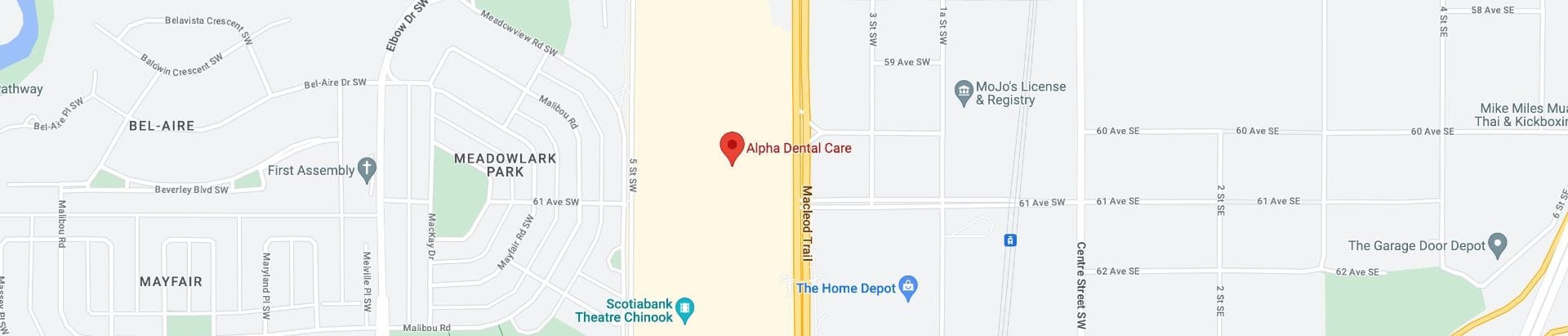
Alpha Dental Care welcomes new and existing patients at our Calgary dental clinic in the Chinook Centre Professional Tower. If you are concerned about nighttime grinding, clenching or unexplained tooth wear, book an appointment or call 403-252-7608 to arrange an assessment.